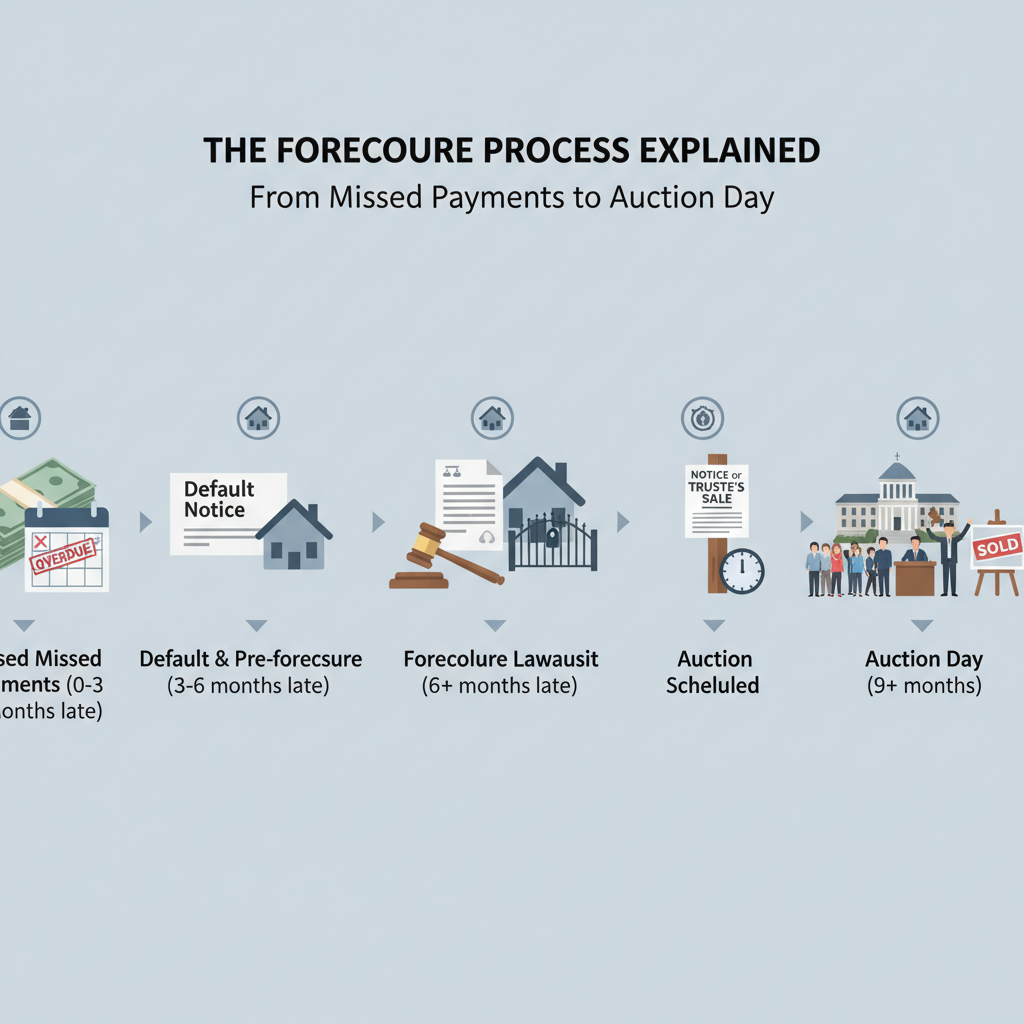
As a short sale expert serving homeowners across the Washington DC Metro Area, I’ve had countless conversations with people who feel overwhelmed, afraid, and uncertain about what happens when they can’t keep up with their mortgage payments. The truth is, foreclosure doesn’t happen overnight—and it’s not your only option. Understanding how this process works and knowing your alternatives, like pursuing a short sale, can help you make informed and proactive decisions.
[How the Foreclosure Process Begins]
Foreclosure typically starts when a homeowner falls behind on their monthly mortgage payments. Life happens - job loss, medical bills, or unexpected financial stresses and suddenly, one missed payment becomes several. Lenders usually offer a short grace period, but once you’re over 30 days late, your account is considered delinquent.
The lender will likely contact you by mail and phone to discuss the delinquency. During this early stage, the best thing you can do is communicate. Many homeowners hesitate to reach out, but lenders are often open to discussing repayment plans or temporary relief options. This communication can make a big difference before things escalate further.
[Notice of Default: The Official Start of Foreclosure]
If missed payments continue for a few months, typically around 90 days, the lender will issue a Notice of Default. This document serves as an official warning that the lender intends to begin foreclosure proceedings if the debt isn’t brought current.
Even at this stage, you still have options. You can catch up on payments, request a loan modification, or consider a short sale as a way to avoid foreclosure. A short sale allows you to sell your property for less than what you owe, with the lender’s approval, while avoiding the severe financial and legal consequences of foreclosure.
[Pre-Foreclosure: A Critical Window for Action]
Once the Notice of Default is filed, the property enters pre-foreclosure. This stage is critical because it represents your last opportunity to find protection from foreclosure. During this time, you can explore foreclosure prevention programs, refinancing options, or initiate a short sale.
As someone who has guided many Washington DC and Northern Virginia homeowners through this process, I can say with confidence that acting during pre-foreclosure opens doors that close later on. A successful short sale not only protects your credit better than foreclosure but also gives you more control over the timeline and outcome.
[The Foreclosure Sale: Auction Day]
If a homeowner doesn’t resolve the delinquency or find another solution, the lender will schedule the property for public auction. A Notice of Sale is issued, setting a date for the foreclosure auction. At this stage, the lender’s goal is to recover the outstanding loan balance by selling the property to the highest bidder.
In some cases, the home doesn’t sell at auction and becomes a bank-owned property, often referred to as “REO†or Real Estate Owned. Once this happens, the homeowner must vacate the property, and their ability to prevent the foreclosure is extremely limited.
[Life After Foreclosure and How to Avoid It Altogether]
While foreclosure has long-term impacts on your credit and financial future, it isn’t the end of the road. Many homeowners recover, rebuild their credit, and eventually purchase another home. However, avoiding foreclosure altogether is always the better path.
If you are facing foreclosure, the key is to act early. The sooner you reach out for help, the more options you’ll have. In my experience working with homeowners throughout the Washington DC Metro area, a short sale often provides the best outcome when keeping the home is no longer financially feasible. It helps avoid the stigma and lasting credit damage of foreclosure while allowing you to move forward with dignity and control.
Foreclosure can feel frightening, but knowledge empowers you to take charge of your situation. From the first missed payment to the day of the auction, there are opportunities to protect yourself and your future. As a short sale specialist in the DC area, my goal is to help homeowners understand that they do have choices and that a short sale is often the most practical and compassionate alternative to foreclosure.
If you’re struggling with payments or have already received a notice of default, now is the time to explore your options. With the right guidance, you can avoid foreclosure, minimize credit damage, and start fresh.